
For decades, America outsourced its manufacturing power—chips to Taiwan, cables to China, batteries to Korea, and critical infrastructure everywhere except home.
Now, in an unexpected twist of geopolitical fate, Japan may be the nation that restores American industrial sovereignty.
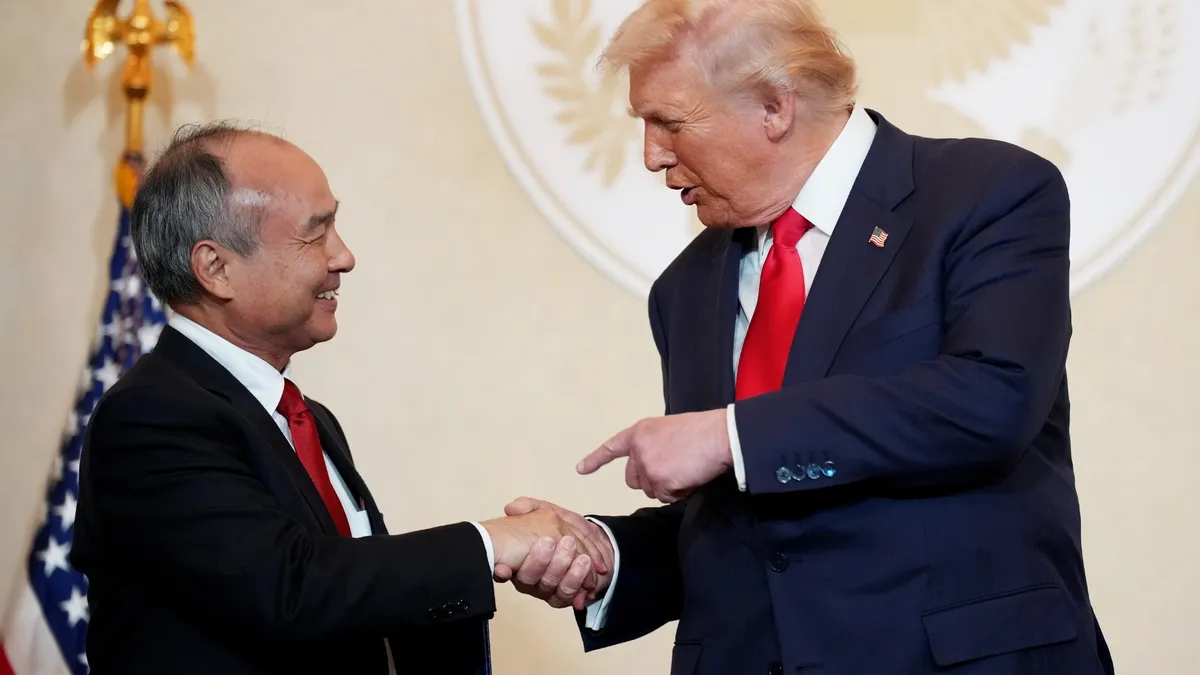
At the center of this tectonic shift stands one man:
Masayoshi Son, CEO of SoftBank, is a visionary, and the world’s most aggressive bettor on the future of AI.
His plan is audacious:
**Build the United States its own Shenzhen.
Not in Asia.
Not in theory.
But here—on U.S. federal land.**
1. From Phoenix Mega-City to Nationwide Industrial Network
Son’s early blueprint was nearly unbelievable: a $1 trillion industrial city in the Arizona desert—bigger than Los Angeles—hosting:
- Chip fabs
- Packaging + test facilities
- Optics & sensor manufacturing
- AI hardware factories
- Logistics hubs
- Worker housing and smart-city infrastructure
A single integrated ecosystem capable of producing everything required for the AI age—from silicon wafers to finished servers.
But after ongoing discussions with the Trump administration, the plan evolved.
One Mega-City → Many “Trump Industrial Parks” Across the Nation
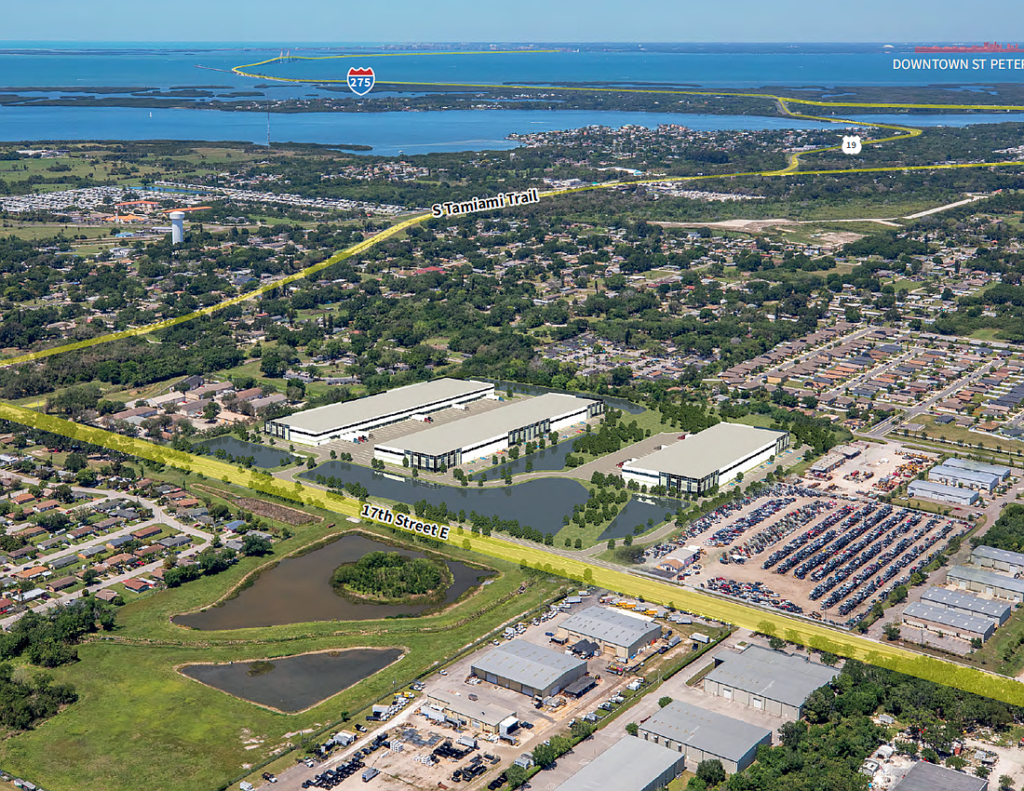
Instead of building one monumental site, the U.S. wants multiple distributed industrial parks on federal land.
These would be strategically placed across states that can support power-hungry, land-intensive manufacturing.
Son adjusted instantly.
Because to him, the shape of the project doesn’t matter.
The mission does:
Rebuild the global AI and semiconductor supply chain — inside America.
2. The Real Play: Data Centers, AI Hardware & Energy Infrastructure
The Tom’s Hardware report reveals the real pivot: this is no longer just a semiconductor project.
It is a data-center infrastructure project, the backbone of AI.
The new blueprint includes:
- Fiber-optic cable manufacturing
- Power-delivery components
- Data-center cooling systems
- Server manufacturing
- AI-chip assembly
- Grid-scale energy solutions
Think of it as America’s new AI supply chain, physically built on its own soil.
This plan is not incremental industry—it is civilizational infrastructure.
3. Japan’s Strategic Capital Injection
This project is not SoftBank acting alone.
Japan’s government itself pledged major investment capital into the U.S. through a 2025 trade agreement.
Son positioned Crystal Land as Phase One of Japan’s national investment strategy in:
- Nuclear power
- Energy infrastructure
- AI
- Semiconductors
This strategic Capital Injection is a landmark shift.
For the first time since the 1980s, Japan is exporting industrial power, not just electronics.
And it’s planting that power inside America.
Why?
Because both nations have the same opponent:
China’s dominance in manufacturing + AI hardware.
A U.S.–Japan industrial alliance is not just business.
4. The Challenge: Building a New Industrial America Is Not Easy
Big visions collide with real friction:
- Federal land use approvals
- Environmental reviews
- Enormous power consumption
- Water scarcity in key regions
- Workforce scaling
- Lack of commitment from mega manufacturers like TSMC
- Unclear timelines from the U.S. government
Even with Japan’s money, this is a multi-decade build.
But Son is not designing for 2025.
He’s designing for 2045 — the world where AI is the dominant industry and countries without domestic capacity will fall behind.
5. The BitVision Take: A New Industrial Age Is Forming
Project Crystal Land is not a real-estate project.
It is a strategic weapon.
If successful, it accomplishes three things at once:
1. Onshores the AI supply chain
America regains control of chips, servers, sensors, and AI infrastructure.
2. Creates a manufacturing alliance between U.S. and Japan
Capital + technology + federal land = geopolitical leverage.
3. Reduces global dependence on China
This reshoring is the most important shift since the 1980s semiconductor wars.
For the U.S., it is the first credible attempt to rebuild the physical foundation of the digital world.
For Japan, it is a return to global industrial leadership.
For Son, it is his moonshot:
To build the physical backbone of the AI civilization.
6. Will Crystal Land Actually Happen?
The truth:
- It is possible.
- It is politically fragile.
- It is economically massive.
- It is strategically necessary.
If even 20% of this plan becomes reality, it would be the largest industrial reshoring effort in U.S. history.
Crystal Land is not just a project.
It is a signal:
The age of globalized manufacturing is ending.
The age of on-shoring AI infrastructure has begun.
And Masayoshi Son wants to build the blueprint.